
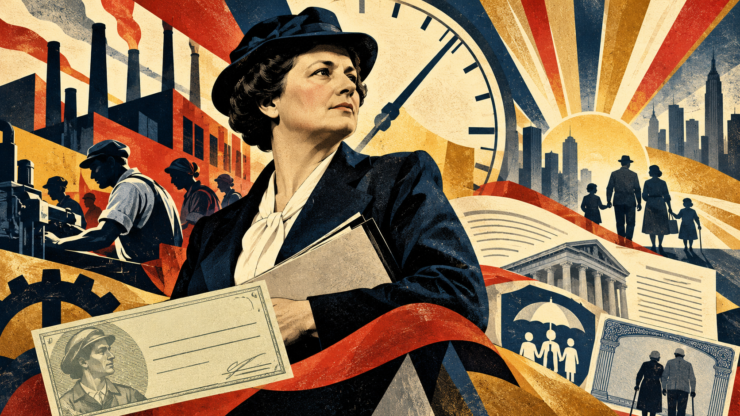
You may not know Frances Perkins’ name, but your 40-hour workweek, minimum wage, and Social Security certainly do. Learn more in a brand-new edition of Drunk History!
Drunk History is back, which means American history is once again being told by someone who has had a few and is trying very hard to remember what happens next.
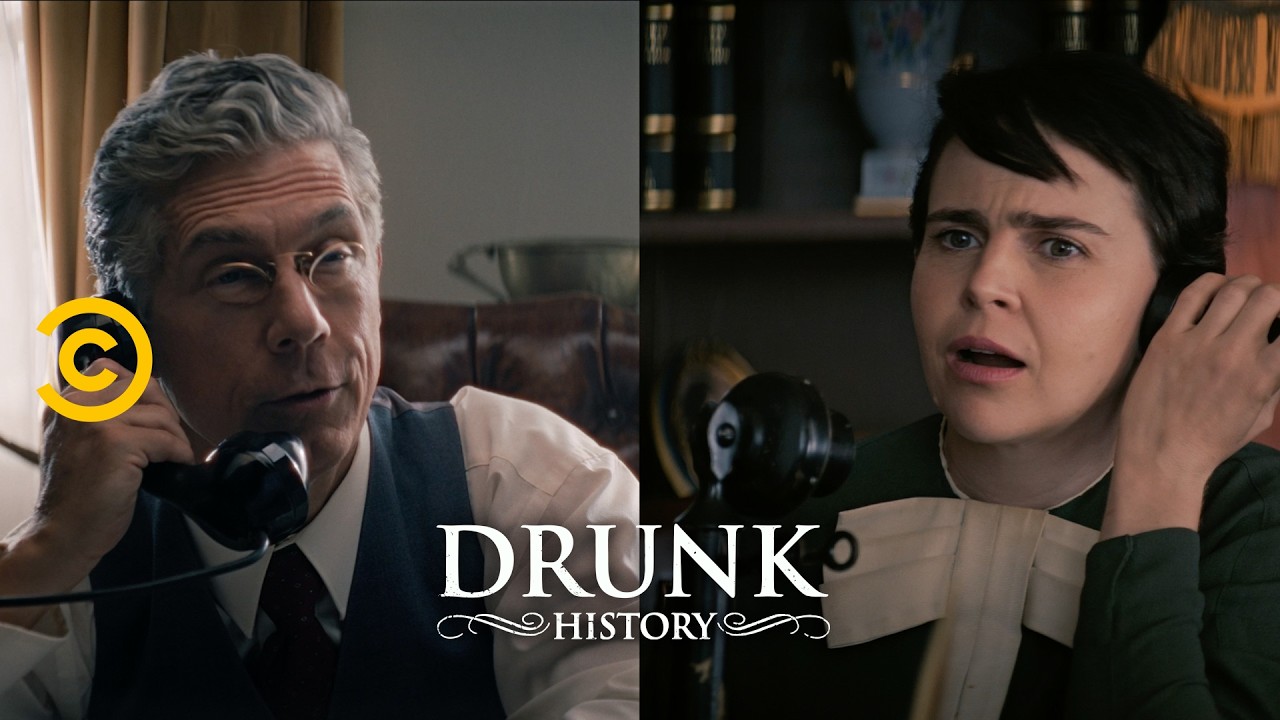
Comedy Central relaunched the series on its YouTube channel on September 15, 2026, with three new short episodes, the first originals from creators Derek Waters and Jeremy Konner in years. One covers Frances Perkins and her role in FDR’s New Deal. Lisa Gilroy narrates, and the cast includes Mae Whitman and Chris Parnell.
Perkins is almost suspiciously perfect for the show, because hers is one of those stories that makes you stop halfway through and say, “Wait. She did WHAT?”
The 40-hour workweek. A federal minimum wage. Limits on child labor. Unemployment insurance. Social Security.
She helped shape all of it. So why don’t more of us know her name?
Work Before Frances Perkins
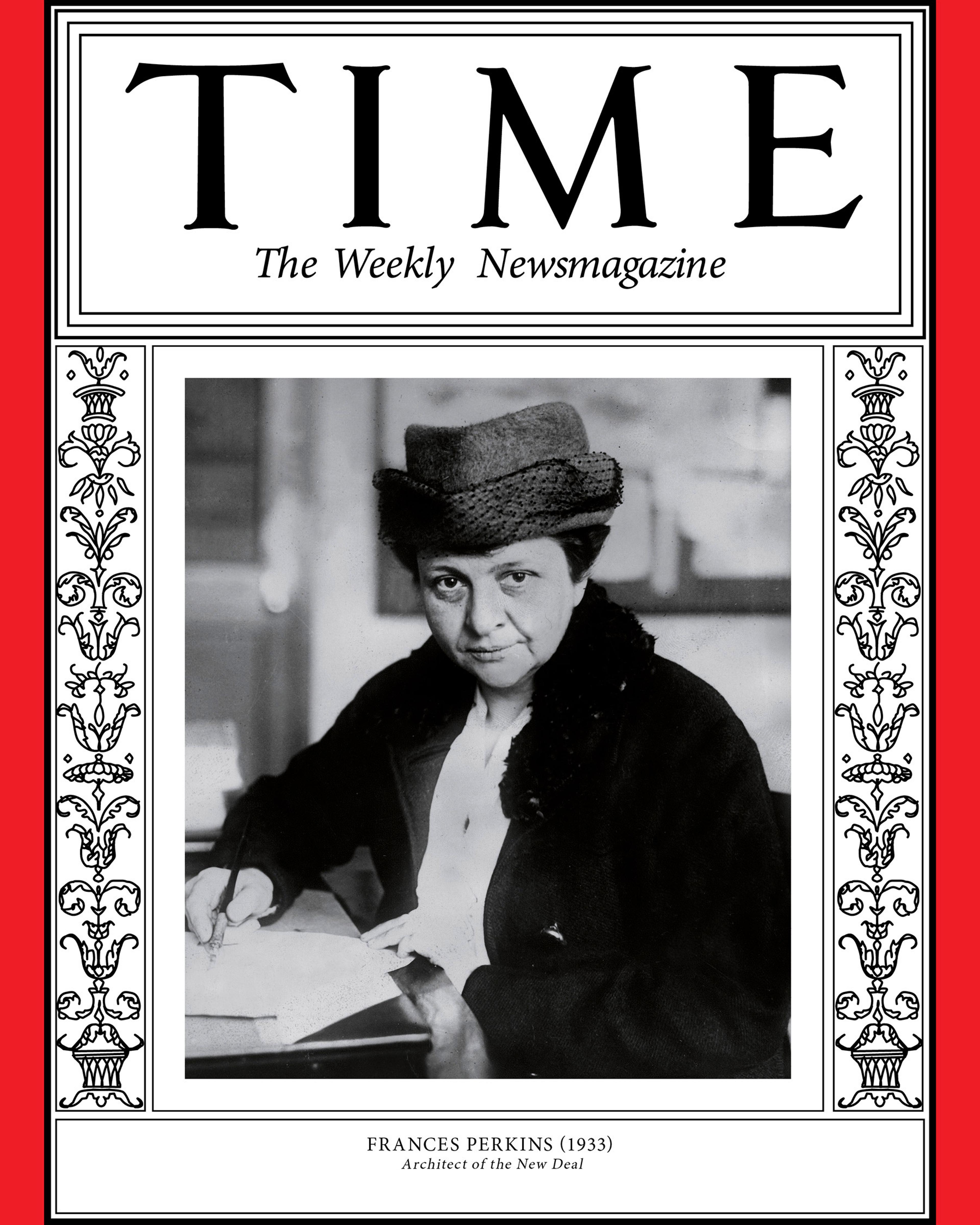
Perkins became Secretary of Labor in 1933, the first woman ever to serve in a presidential Cabinet. She stayed until 1945, and no Labor Secretary has served longer.
She didn’t show up in Washington with a vague idea that workplaces could stand to be nicer. She’d been at this for years. In 1911, she was a witness to the Triangle Shirtwaist Factory fire in New York City, which killed 146 workers, many of them young immigrant women. It shaped her push for factory safety and labor protections.
It’s easy to forget how much of what we consider basic was not basic at all. There was no federal minimum wage, no national 40-hour week, and child labor was still common. If you lost your job, there was no unemployment system. If you got too old to work, there was no Social Security.
We look at all that now and think, “Well, obviously.”
It wasn’t obvious then. Someone had to fight for it.
She Came With a List
This might be my favorite detail about her.
When Roosevelt offered her the job, Perkins didn’t take it and figure out her priorities later. According to the Department of Labor, she made Social Security a condition of accepting. Her agenda also included direct relief for the unemployed, public works, a minimum wage, unemployment and old-age insurance, and an end to child labor.
Imagine going into a job interview and basically saying, “Sure, I’ll take it, but we’re restructuring how America treats workers while I’m here.”
Respect.
She wasn’t working alone, of course. Roosevelt, Congress, organized labor, state reformers, economists, and millions of people living through the Great Depression all shaped the New Deal. But Roosevelt listened to her, and she knew how to turn a big idea about fairness into something that could actually pass.

Your 40-Hour Week and Social Security
The Fair Labor Standards Act of 1938 established the federal minimum wage and banned most child labor. It also gave us the 40-hour week, though it started at 44 hours and didn’t drop to 40 until 1940.
That number should look familiar. It still forms the basis of what we call full-time work.
Most of us deal with the 40-hour week every Monday morning, but Social Security reaches much, much further. Perkins championed Social Security in 1934-1935, and the Department of Labor calls her its principal architect. If you’ve ever collected unemployment or plan to retire on Social Security, that’s her.
Those programs didn’t arrive fully formed. The original versions left out many workers, and they’ve been changed many times since. But the idea that the government owes people some protection when they’re old, unemployed, or out of options became part of the American system on her watch.
That’s a big legacy for someone many of us couldn’t pick out of a lineup.
The Woman Hiding in Your Paycheck
These days, labor laws are mostly a Social Security line on a pay stub, overtime rules, or a minimum wage poster in a break room that nobody has read since 2007.
Because these things were already there when we were born, they feel inevitable. But they weren’t. People argued hard over what employers could demand from workers and what a society owes them when work fails.
Perkins was in the middle of that argument for decades. She didn’t build modern labor law alone, and plenty of what her era produced was incomplete. But her fingerprints are on the framework we still run into whenever we get paid, work overtime, lose a job, or retire.
It’s a little wild that FDR gets a spot on the dime and she’s a footnote in history at best.
Maybe Drunk History can help with that: