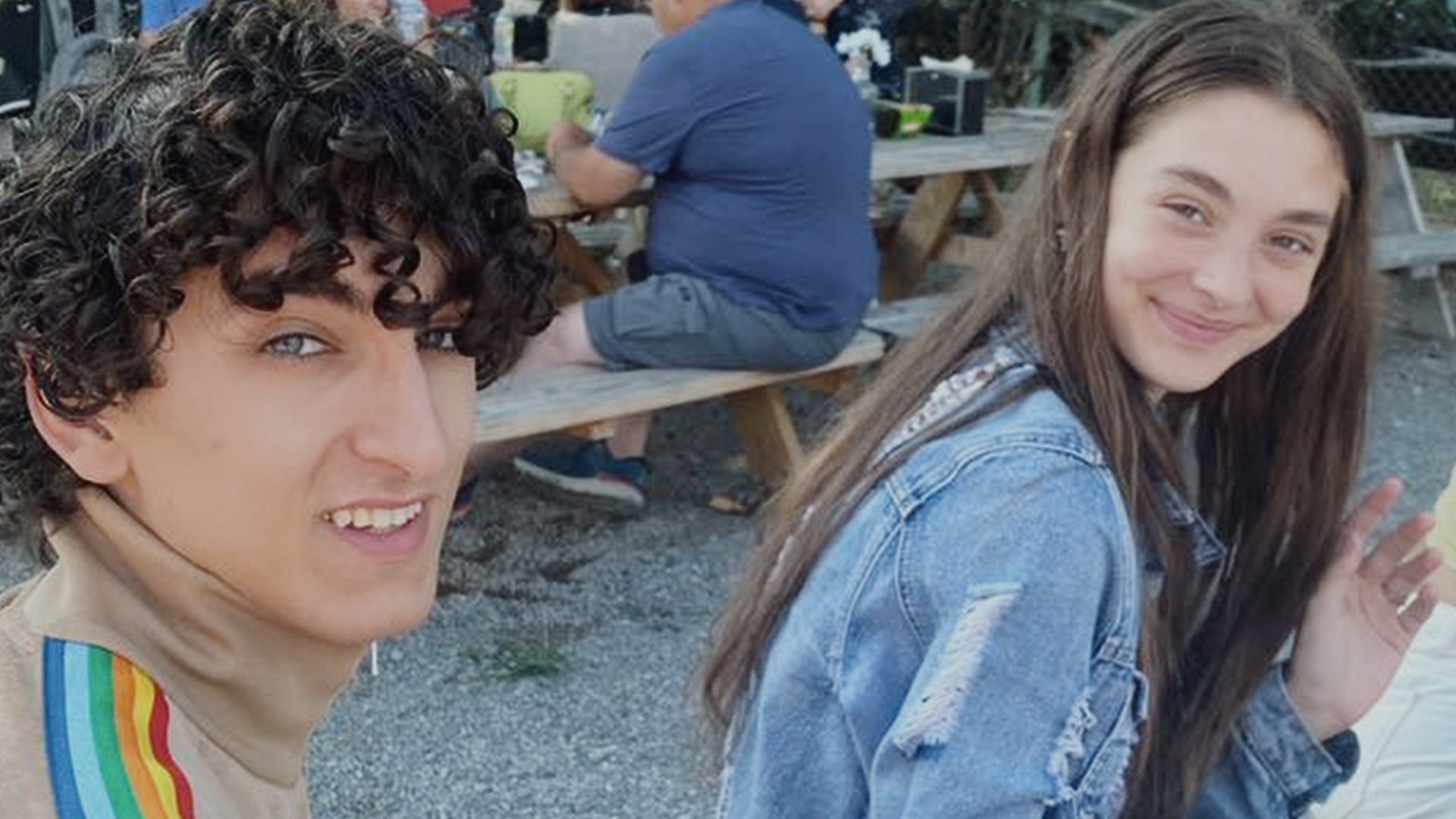
Three people were in that car. Only Mackenzie Shirilla got a documentary — Dominic Russo and Davion Flanagane deserved more. What else was left out of The Crash?
I don’t know what I expected when I sat down to watch The Crash. But I wasn’t prepared for how much it would leave me thinking — not about what it showed, but about what it didn’t.
Yes, the Netflix documentary is gripping. It has all the markers of modern true crime: prison interviews, devastated families, conflicting memories, courtroom footage, teenage love gone bad. It’s emotional, disturbing, and at times impossible to look away from.
But the part I can’t stop thinking about isn’t what the documentary showed. It’s what it chose not to.
And in a case like this — where two young men, Dominic Russo and Davion Flanagan, lost their lives, and where Mackenzie Shirilla is now serving 15 years to life after being convicted of murder — what gets left on the cutting room floor is not a small thing. It shapes how we understand guilt, grief, denial, and the story we think we just watched.
A documentary is not a trial
Let me say the obvious first: a documentary doesn’t have to include every piece of evidence. No filmmaker can show everything. Editing is storytelling. Choices have to be made.
But that’s also the problem. Just because something is a true story doesn’t mean you’re getting the whole truth.
When a documentary is built around a convicted person speaking from prison — still insisting, as Shirilla does, that she has no memory of what happened — the missing pieces start to matter a lot more.
The Crash gives significant space to Mackenzie’s version of events and to her family. It lets viewers sit with their disbelief, their loyalty, their insistence that she couldn’t have done this on purpose. That’s emotionally compelling. But it’s also incomplete.

The alleged “dry run” deserved more attention
One of the details I was surprised not to see explored more fully was the phone location evidence. According to court reporting, prosecutors argued that cellphone data placed Shirilla near the intersection where the crash occurred — the same obscure industrial route in Strongsville — three days before the crash, on July 28, 2022. The suggestion was that she had driven that route beforehand, a possible “dry run.”
To be fair, cell location data isn’t magic. It can be approximate, and there are reasonable questions about how much weight any single data point should carry. But the judge at trial cited this detail specifically when she found that Shirilla had taken the same route days earlier to plot the crime. That’s not a minor footnote. That’s part of how the court concluded this was premeditated.
:max_bytes(150000):strip_icc():focal(739x261:741x263)/Mackenzie-Shirilla-car-1-011325-3ac6053ade184583a60efc2d2ea3161f.jpg)
The car evidence is hard to emotionally edit around
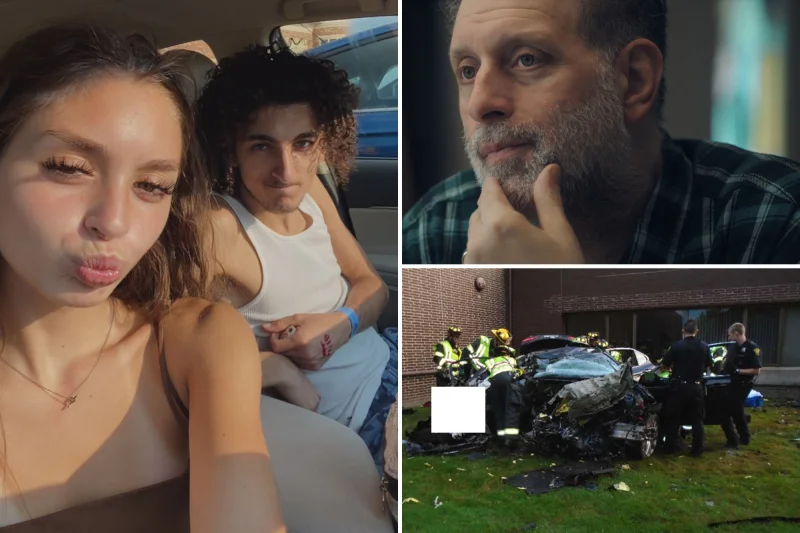
The central fact of this case remains brutal: Mackenzie Shirilla drove into a brick wall at roughly 100 mph. Dominic and Davion died. She survived.
The documentary addresses the crash itself, of course — it could hardly avoid it. But I wanted more engagement with the vehicle evidence. The black box data showed that the accelerator was pressed to full throttle and that there was no braking before impact. That’s not a teenage mistake. That’s not drifting through a stop sign or taking a curve too fast. That is a specific sequence of actions a forensic mechanic testified to under oath.
When the documentary doesn’t dwell on that, viewers are left with something that feels more ambiguous than the physical evidence suggests.

Davion should not feel like a secondary character in his own death
The omission that bothers me most isn’t evidentiary. It’s human.
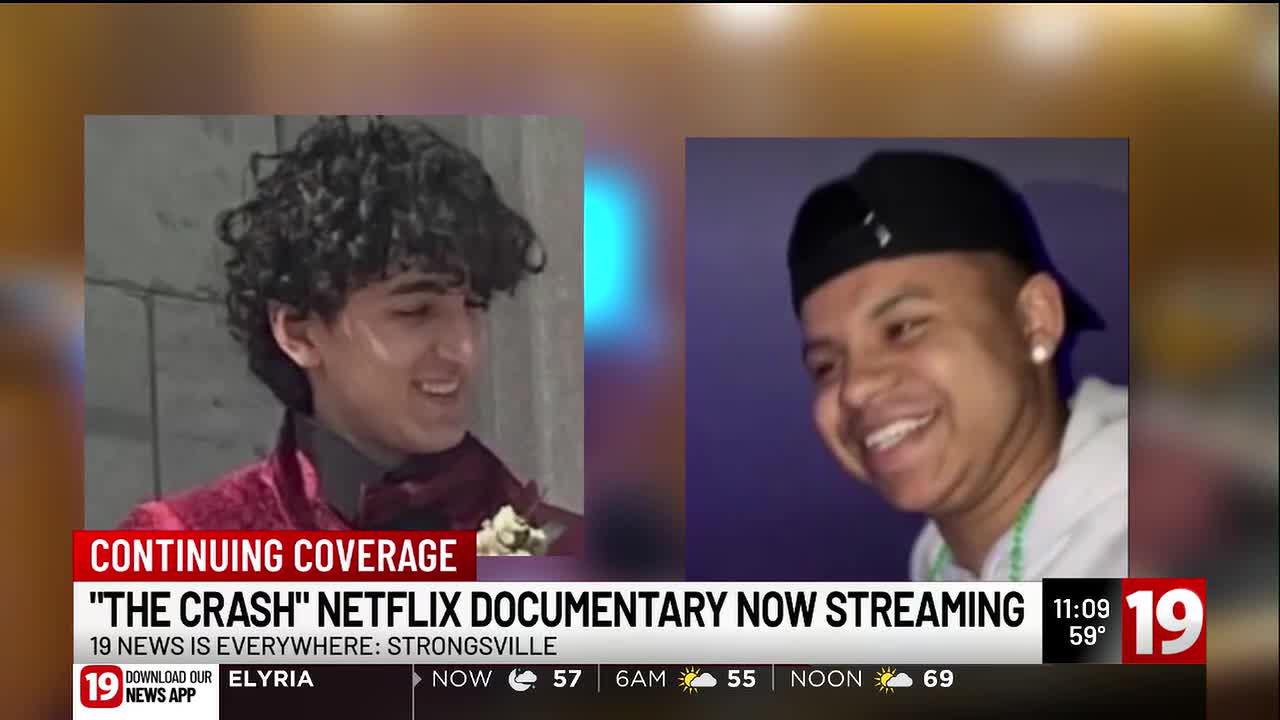
Davion Flanagan deserved more.
So much of the public conversation around this case — the documentary included — orbits around Mackenzie and Dominic: their relationship, their fights, whether she loved him, whether she meant to kill him, whether her family is in denial, whether the sentence was fair. But Davion wasn’t a secondary character. Davion wasn’t just “the friend in the car.”
He was 19 years old. He had a family that had spent three years fighting so his name wouldn’t be an afterthought. His family set up a barber school scholarship in his honor. They attended every court hearing. When Shirilla’s untimely appeal was denied earlier this year, they released a statement — and it came the day after they had gathered to commemorate what would have been Davion’s 23rd birthday.
When true crime storytelling flattens a victim into a contextless figure, it does something unintentionally awful. It invites the audience to care about the convicted person’s psychology while treating the dead as plot points.
We are very good at building narratives around the person who survived. We are not always as good at sitting with the people who are gone.

The appeal detail matters, too
The documentary notes that Shirilla’s appeal was denied — but the fuller picture matters. Her postconviction petition was rejected because it was filed on the 366th day following the filing of her trial transcript. One day passed a 365-day jurisdictional deadline. The court was explicit: it was without jurisdiction to even consider the merits of her claims.
That’s a very different kind of denial than a court carefully reviewing all the evidence and concluding, “Still guilty.”
It doesn’t prove she’s innocent or undo the conviction. It doesn’t mean the evidence was weak — a separate appeal to the Eighth District Court of Appeals had already upheld the conviction on the merits in September 2024, and the Ohio Supreme Court separately declined to review her case. But viewers who hear “appeal denied” may picture a sweeping legal review that simply failed. The reality is procedural, technical, and, honestly, more frustrating to explain on television.
True crime audiences are grown-ups. We can handle a deadline.
What the documentary got right — and where it lost me
The Crash isn’t worthless. It captures something real about denial, grief, and the way families construct entire emotional worlds around the version of events they need to survive. It also shows how unsettling it is when someone convicted of murder speaks as though she is another casualty of the tragedy rather than the person the court found responsible for it.
That tension is genuinely powerful.
But I kept wishing the filmmakers had trusted viewers with more of the evidence that led the court to its conclusion — the phone location data, the black box, the prior-threats testimony, the procedural reality of the appeals. When those pieces are softened or skipped, the audience is left with a case that feels more uncertain than the trial record suggests.
The real story is bigger than Mackenzie
The most haunting thing about this case isn’t just that two young men died.
It’s that the story still seems to orbit the person who survived.
The survivor speaks. The convicted person gives interviews. The family insists. The documentary frames. The internet debates. Everyone analyzes the psychology of the person at the center.
Meanwhile, Dominic and Davion remain gone.
No interview can balance that. No dramatic edit can fix it.
So maybe the question isn’t whether The Crash is a “good” documentary. Maybe it is; maybe it isn’t. Maybe it’s both.
The better question is whether it gave us the fullest version of the truth it was asking us to emotionally process.
For me, the answer is no.
And in a story where two people can no longer speak for themselves, that matters.
For me, the answer is no.
And in a story where two people can no longer speak for themselves, that matters.