

A 22-year-old on TikTok told me I’m too old to watch a college romance like Off Campus. I have never been more motivated to write 1,000 words in my life.
I know we are not the target audience for Off Campus.
I know this because every time an elder millennial enjoys a college romance series out loud, somewhere on TikTok a 22-year-old materializes in the comments like a tiny digital hall monitor and says, “Aren’t you, like… too old for this?”
First of all, rude.
Second of all, no.
Prime Video’s Off Campus, based on Elle Kennedy’s wildly popular hockey romance book series, premiered in May 2026 and follows Briar University music major Hannah Wells (Ella Bright) and hockey star Garrett Graham (Belmont Cameli) as they enter one of romance’s most sacred arrangements: the fake relationship that absolutely, definitely, certainly will not become real. Spoiler alert for the entire genre: of course it will. (People.com)
And that, honestly, is the point.

This Is Not Homework Television
There is a certain kind of show that arrives in your life at exactly the right time. Not because it is reinventing the medium. Not because it requires a podcast recap, a family tree, three Reddit threads, and a working knowledge of international politics.
Sometimes, the thing you need is attractive people in emotionally heightened situations making questionable romantic decisions near a hockey rink.
That’s Off Campus.
It is not pretending to be prestige TV. It is not here to punish you for looking at your phone for twelve seconds. It does not require you to whisper, “Wait, who is that again?” every time someone walks into a room wearing a gray coat.
It knows what it is: glossy, romantic, dramatic, trope-heavy comfort viewing. And for elder millennials, that is not a flaw. That is a public service.

Why Elder Millennials Are Especially Vulnerable to This
Here’s where I think Off Campus gets us.
Elder millennials grew up on teen and college-adjacent dramas that were almost never realistic but somehow emotionally correct. We had Dawson’s Creek, Felicity, One Tree Hill, The OC, Greek, and a whole ecosystem of beautiful people having life-altering conversations in dorm rooms, coffee shops, pool houses, and inexplicably well-lit parties.
Were any of these shows accurate depictions of young adulthood? Absolutely not.
Did they understand the emotional stakes of being young, dramatic, attracted to the wrong person, convinced your entire future could collapse because someone looked at someone else weirdly at a party? Unfortunately, yes.
Off Campus taps into that same frequency.
It gives us the fantasy version of college: cozy friendships, intense crushes, found family, sports drama, artistic ambition, and people with suspiciously good hair who always seem to have time for both emotional processing and social events.
For those of us currently juggling jobs, bills, aging parents, group texts, grocery prices, and the slow realization that our knees now make sounds, this is not childish escapism.
This is rest.
:max_bytes(150000):strip_icc():focal(627x0:629x2)/Allie-and-Carter-St-James-off-campus-051526-a685792278644a2c9793d5c4016331ab.jpg)
Gen Z Can Relax. We’re Not Trying to Enroll.
I do understand why younger viewers might find it weird when people in their late 30s or 40s are happily watching a college romance.
From their perspective, it may look like we are trying to relive something. Or worse, intrude on something that belongs to them.
But I promise, we are not watching Off Campus because we think we are still college students.
We are watching because we very much know we are not.
That is the difference.
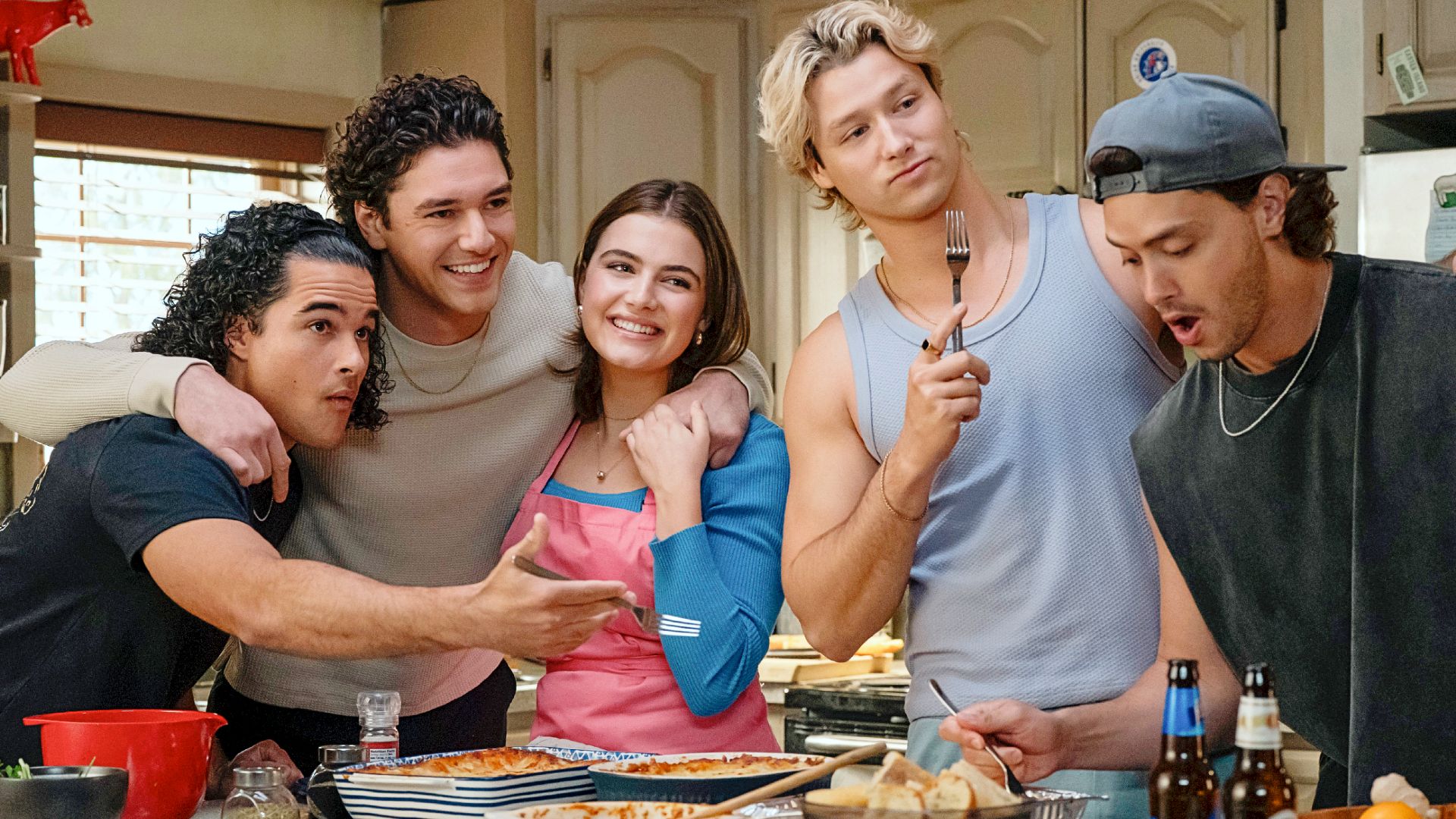
At 21, a show like this might feel aspirational or familiar. At 41, it feels like a vacation. Nobody is asking me to attend Briar University personally. I do not need a fake boyfriend, a hockey captain, or a campus party with red Solo cups. I need a blanket, a snack, and eight episodes of pretty people misunderstanding their feelings until the plot forces them to communicate.
No FAFSA required.
The Joy of Knowing the Assignment
There is something deeply soothing about a romance that understands its tropes.
Fake dating. Tutoring. Hockey boy with hidden depth. Music girl with emotional walls. A friend group that clearly exists to seed future seasons. A university where everyone appears to be one meaningful hallway encounter away from a personal breakthrough.
That sounds ridiculous, but it works because romance has always been less about surprise and more about satisfaction.
We don’t watch these stories because we don’t know where they’re going. We watch because we want to see how they get there.
There is comfort in the structure. There is pleasure in the inevitability. There is a tiny, exhausted part of my millennial brain that hears “fake dating arrangement” and immediately says, “Wonderful, I know exactly what I’m getting into.”

It’s Also Not as Shallow as People Want to Pretend
The phrase “brain candy” can sound dismissive, as if something easy to watch must automatically be empty.
But good brain candy still has to taste like something.
The reason Off Campus works is not just because it has attractive leads and college drama. It works because underneath the glossy packaging, it is about things that don’t stop mattering just because you age out of the target demographic: wanting to be seen clearly, learning how to trust someone, figuring out who you are outside of other people’s expectations, and building a chosen family when life feels unstable.
Those are not Gen Z-only concerns.
Those are human concerns.
And frankly, elder millennials may be even more susceptible to them now because we are old enough to know that love alone does not fix everything, but still sentimental enough to enjoy watching it try.
Let Us Have This
Not everything has to be morally justified by productivity, intellectual rigor, or cultural importance.
Sometimes a show can simply be fun.
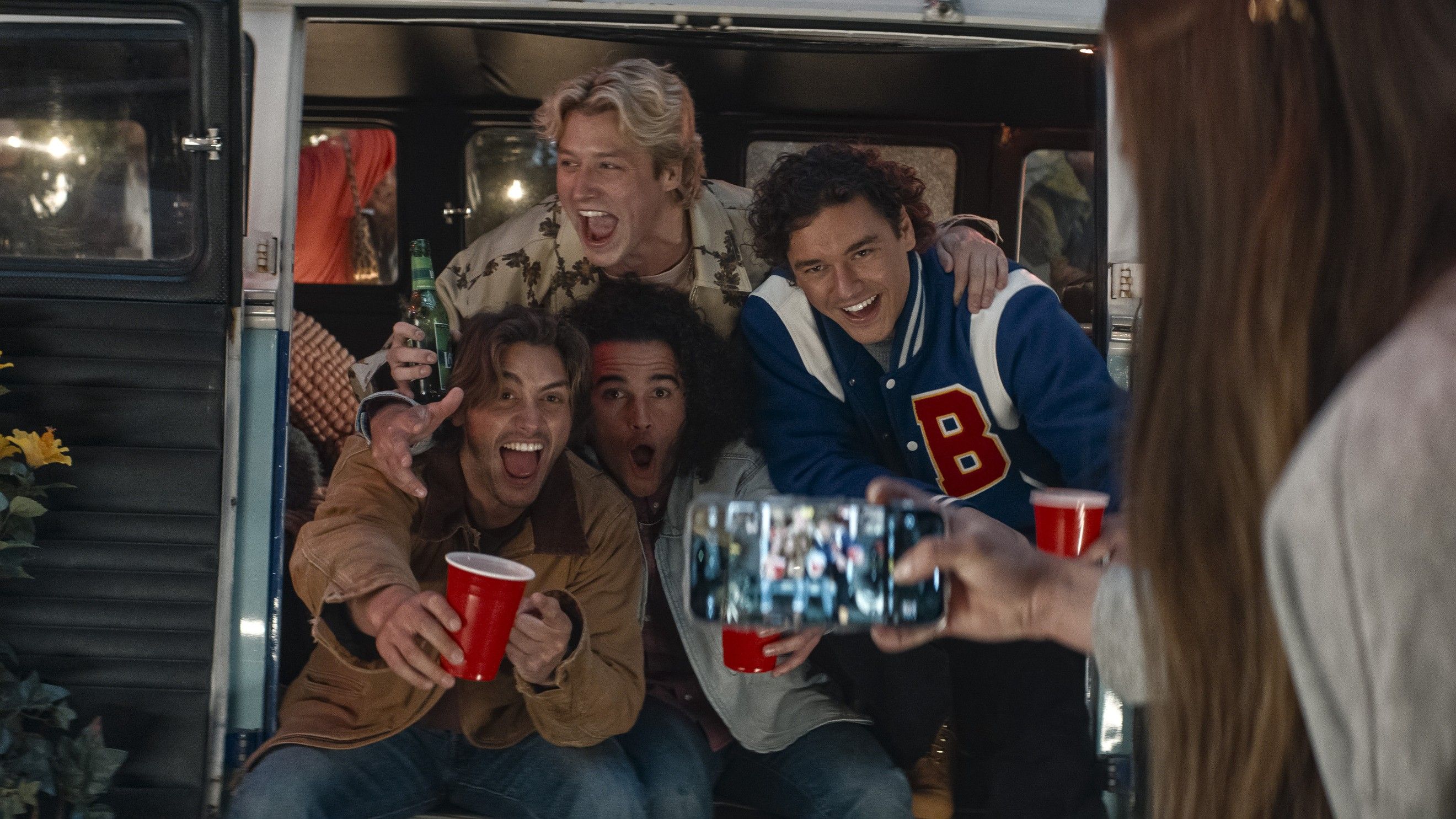
Sometimes adults are allowed to watch a college romance because their real lives are full of tax documents and dental appointments, and they would like to spend a few hours in a world where the biggest problem is whether the emotionally unavailable hockey player is catching feelings.
I’m not saying Off Campus is perfect. I’m saying it is perfectly calibrated for a very specific mood: the desire to turn your brain down, not off.
And if Gen Z thinks we shouldn’t be watching?
That’s fine. They can roast us from their side of the algorithm.
We’ll be over here, hydrated, moisturized, emotionally invested, and absolutely pressing play on season two.

![Mythic Quest: Quarantine’s Rube Goldberg Machine [Favorite Scenes]](https://www.iphoneblog.de/wp-content/uploads/2020/05/iphoneblog.de_mythicquest-quarantine.jpeg "Mythic Quest: Quarantine’s Rube Goldberg Machine [Favorite Scenes]")
![The Untold Side of True Crime TV: Killer Story by Claire St. Amant [Book Review]](https://m.media-amazon.com/images/I/616bmCsqzeL._SL1500_.jpg "The Untold Side of True Crime TV: Killer Story by Claire St. Amant [Book Review]")