![Netflix’s Shipwrecked: Nightmare at Sea – The Costa Concordia Disaster [What Was That?!]](https://ashbydodd.com/wp-content/uploads/2026/07/Costa_Concordia-hero-740x416.png "Netflix’s Shipwrecked: Nightmare at Sea – The Costa Concordia Disaster [What Was That?!]")
Netflix’s new documentary revisits the 2012 Costa Concordia disaster, and it turns out the headlines I remembered didn’t even scratch the surface.
Like every other kid who saw Titanic in theaters, I spent an embarrassing amount of my childhood standing on the edge of furniture yelling, “I’m king of the world!” So when I say I have a soft spot for a good shipwreck story, understand that it runs deep.
I remembered the Costa Concordia the way most people probably do: a cruise ship on its side off some Italian island, a captain who became a punchline, a shocking headline that I scrolled past in January 2012. I had no idea how deep the reality of it went until this documentary.

What actually happened
On the night of January 13, 2012, the Costa Concordia left port in Civitavecchia with more than 4,200 people aboard for what was supposed to be a routine week in the Mediterranean. Captain Francesco Schettino decided to steer the ship close to the island of Giglio for a “sail-by salute” — basically a showy pass meant to wow the people on shore. Instead, the ship struck a submerged rock, tore open the hull, and started taking on water almost immediately. Power went out. The ship began listing hard to one side. Dinner service turned into a slow-motion nightmare in about twenty minutes.
:max_bytes(150000):strip_icc():focal(749x0:751x2)/Francesco-Schettino-Costa-Concordia-071026-91eb8df6e0a54dfb946a0e6f66c85a3f.jpg)
The captain’s choices
Schettino’s “salute” wasn’t just a scenic detour. Prosecutors argued he brought the ship in close to show off for a young dancer he’d invited up to the bridge, Domnica Cemortan, who wasn’t supposed to be there. He denied it, but the timeline doesn’t do him any favors.
Instead of alerting the Coast Guard to the scale of what was happening, Schettino reported a “blackout.” The general alarm wasn’t sounded until 22:33. The order to abandon ship didn’t come until 22:54 — more than an hour after the ship hit the rock. When Coast Guard Commander Gregorio De Falco got Schettino on the phone and realized the captain was already off the ship while thousands of people were still on it, he didn’t hold back: “Vada a bordo, cazzo!” Get back on board, for God’s sake. Schettino’s explanation — that he’d been thrown from the deck and landed in a lifeboat by accident — is the kind of detail that’s hard to sit with, especially knowing he said it under oath.
:max_bytes(150000):strip_icc():focal(749x0:751x2)/Costa-Concordia-071026-7381f44f77da4205a960a6834f10ce95.jpg)
The hour that actually mattered
While all of that was unfolding on the bridge, there were 4,200 people below deck with no real information, in the dark, on a ship tilting further by the minute. Families got separated looking for each other in corridors that no longer ran level. Crew members were trying to organize an evacuation without clear direction from those who were supposed to lead it. By the time lifeboats were finally being loaded, the list was so severe that half of them couldn’t be launched from the high side at all.
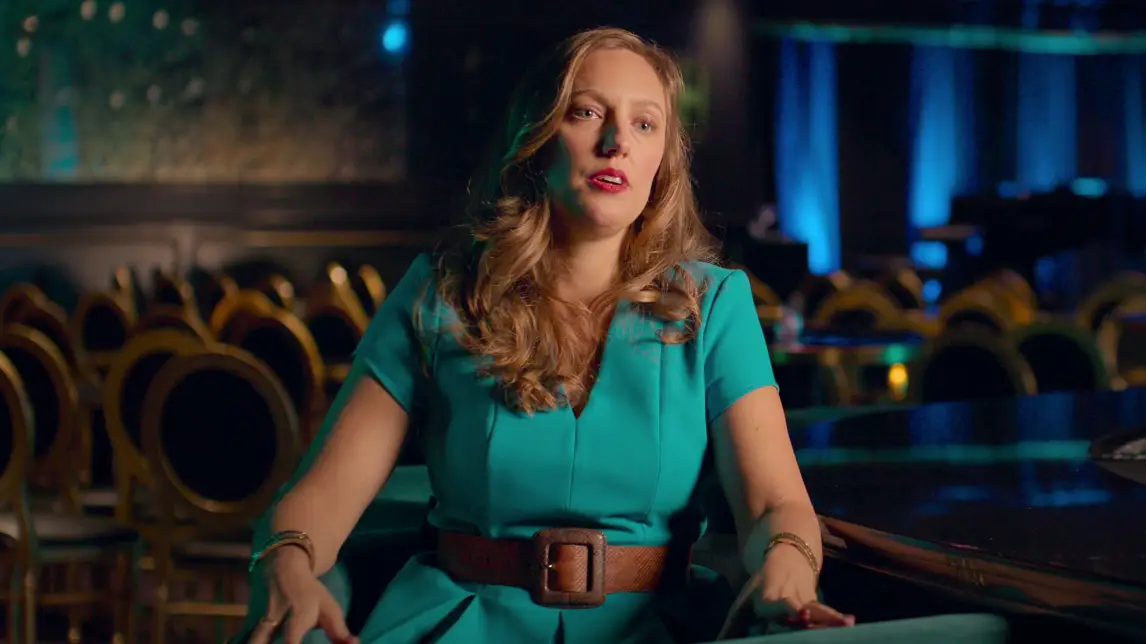
Thirty-two people died. The documentary doesn’t rush past that number, and it shouldn’t. The survivor interviews are the reason to watch this — not the captain’s spectacular failure, but the ordinary people who had to make split-second decisions with almost no information, some of whom didn’t make it out.
Was Schettino really the only one to blame?
In 2015, an Italian court convicted Schettino of manslaughter, causing the disaster, and abandoning ship, and sentenced him to 16 years. The country’s highest court upheld it in 2017. Five other Costa employees took plea deals. Costa Crociere, the company that owned the ship, paid a fine and moved on. And there’s a real, ongoing argument — one the documentary leans into — about whether Schettino became the face of a failure that was much bigger than one man’s ego on a bridge. Bad training, bad protocol, a corporate culture that let this happen in the first place.
Should you watch it?
Yes. It’s shocking in the way a good disaster documentary should be — not because it’s dramatized, but because it isn’t. The black box audio and the survivor accounts do more work than any recreation could. Go in expecting to be angry at one man, and come out thinking instead about the twenty minutes that changed thousands of lives.
Shipwrecked: Nightmare at Sea is streaming now on Netflix.
Sources Today, FandomWire, HISTORY, NPR, Al Jazeera, Seatrade Cruise News, Nautilus International