I spent years cranking up my headphones to drown out the world around me. Now I’m wondering if I turned the world down permanently.
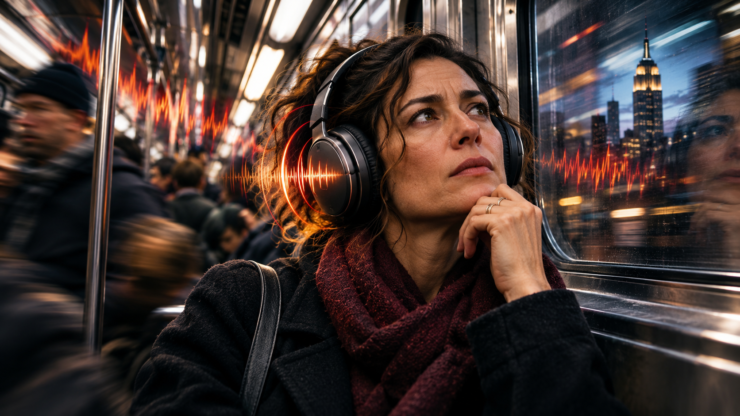
I lived in New York City and Boston for many years, which means I spent a lot of time on public transportation. And if you’ve ever ridden the NYC subway, you already know where this is going.
It’s loud. Not “turn your music up a little” loud. More like “apparently I need to experience this song at concert volume just to hear it over the screaming brakes and mysterious metallic shrieking happening six inches from my head” loud.
So I did what a lot of commuters did. I wore headphones everywhere and cranked them up. This was also before noise-canceling technology got really good. There wasn’t much standing between me and the sound of the train except an increasingly aggressive volume button.
At the time, I didn’t think much about it. Years later, after moving to the suburbs, I started noticing something that bothered me: my hearing seemed worse than other people my age. Nothing dramatic. Just enough moments of “What did they say?” or realizing someone else could hear something I couldn’t that I started wondering about those years of headphone use.
Had I done this to myself?
As it turns out, that question wasn’t completely unreasonable.
Headphones Aren’t Really the Problem
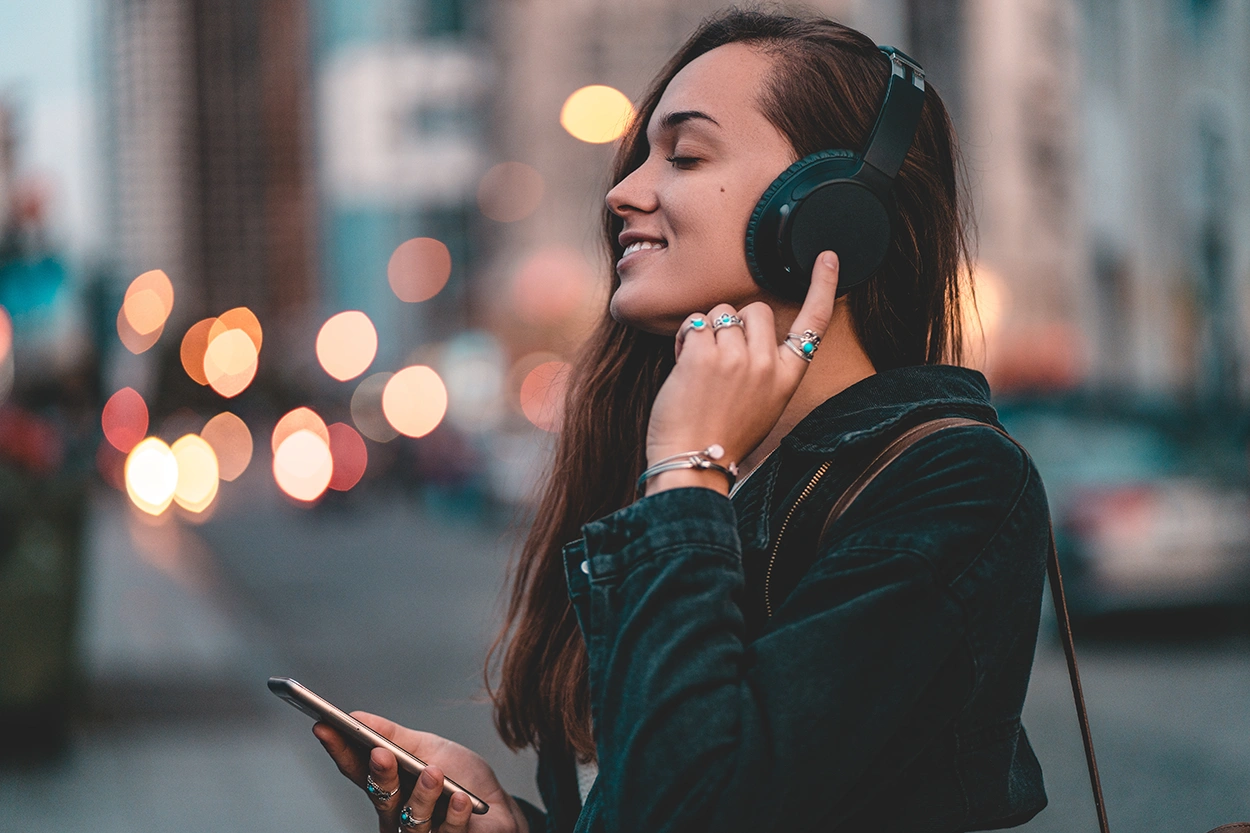
Here’s the reassuring part first: wearing headphones doesn’t automatically damage your hearing. The issue is how loud you listen and how long you do it. And those two things add up fast when you’re trying to overpower the sound of a subway train, airplane engine, lawn mower, crowded coffee shop, or whatever else is making your peaceful little listening experience significantly less peaceful.
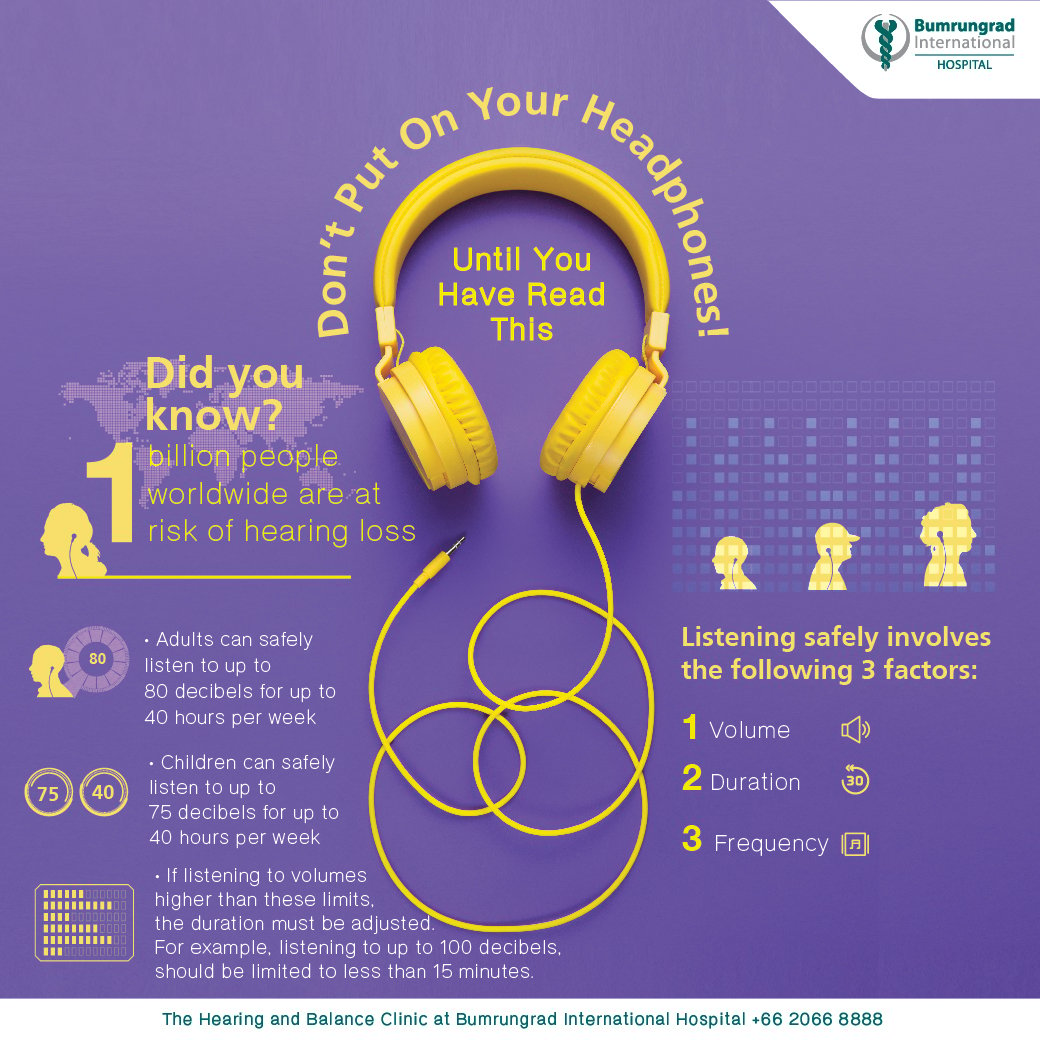
The World Health Organization estimates that more than 1 billion young people, ages 12 to 35, are at risk of preventable hearing loss. This is because of unsafe listening practices, which can include personal audio devices and loud recreational environments.
One billion. That’s a statistic that can make anyone who spent their twenties with earbuds permanently attached to their head start mentally reviewing some life choices.

The Damage Can Happen Quietly
Part of what makes noise-related hearing loss unsettling is that you don’t necessarily know it’s happening. Tiny sensory hair cells in the cochlea translate sound vibrations into signals your brain can understand. Repeated exposure to loud noise can damage those cells. And unlike hair on your head, which I personally wish would occasionally stop growing in certain places, these hair cells don’t regenerate once they’re destroyed.
The damage can build slowly enough that you don’t notice anything at first. Speech starts sounding a little less clear; you turn the television up more than everyone else; you start asking people to repeat themselves.
Which is part of why I keep thinking about all those subway rides. I wasn’t blasting music because I wanted my ears assaulted by a playlist at 8:15 in the morning. I did it because I wanted to hear the music over the train, and my inner ear apparently doesn’t care about the difference.
Three Decibels Matter More Than You Think
Noise exposure depends on both volume and time. The National Institute for Occupational Safety and Health recommends limiting workplace exposure to 85 decibels over an eight-hour period. And for every 3-decibel increase above that level, cut the exposure time in half.
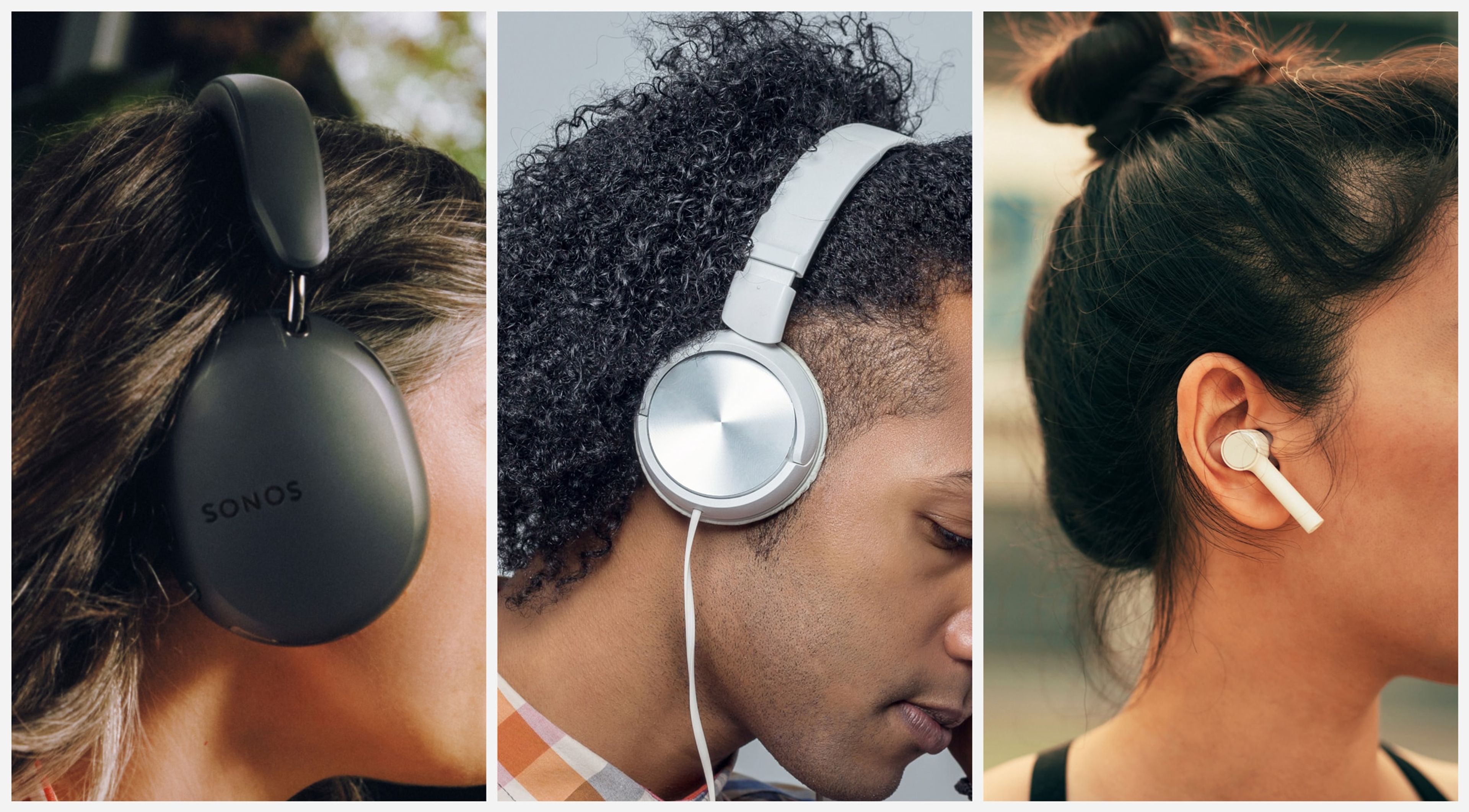
Headphones at maximum volume can range from 94 to 110 decibels, according to the National Institute on Deafness and Other Communication Disorders. By NIOSH’s math, 94 decibels gets you about an hour. At 100, you’re down to 15 minutes.
Noise Cancellation Is More Useful Than I Realized
Noise-canceling headphones have a reputation as a luxury for people who’d like to pretend the crying baby three rows behind them doesn’t exist (although the technology has become more standard in recent years). They can also help you listen more safely.
By reducing background sound reaching your ears, noise cancellation means you don’t have to crank your music nearly as high to hear it.
The WHO recommends well-fitting, noise-canceling headphones in noisy situations because they reduce the need to turn up the volume. That doesn’t mean they magically protect you from everything. A concert, fireworks, power tools, or other extremely loud environments may call for actual hearing protection.
But for the exact situation I spent years in – a loud train plus headphones plus music – they could have made a difference simply by letting me listen at a lower volume.

The Annoying Part Is That This Is Mostly Preventable
We understand sunscreen and bike helmets, and we understand that staring directly at the sun is generally considered a poor life choice. Hearing damage is trickier because there’s often no immediate signal telling you that you’ve gone too far. Your ears don’t turn bright red. They don’t send you a notification saying, “Congratulations, you’ve exceeded today’s recommended exposure to Beyoncé.”
And because noise-induced hearing loss can accumulate gradually, years can pass before you start wondering why everyone else suddenly seems to be mumbling.
The good news is that a few fairly easy habits can reduce the risk. The WHO recommends keeping your volume below about 60 percent of maximum, using noise-canceling headphones in loud environments, taking listening breaks, and using a sound-monitoring app (or your device’s built-in tracking, if it has one). And if you already suspect your hearing isn’t what it used to be, getting a hearing test is probably more useful than spending another decade wondering.
I Still Wear Headphones
I’m not giving them up. I like music too much, I like podcasts, and I like being able to disappear into my own little world when the actual world is being especially loud. But I definitely think about volume differently now.
Maybe my years of city commuting contributed to the changes I’ve noticed in my hearing. Maybe they didn’t. There’s no way for me to rewind my twenties, hand myself a pair of modern noise-canceling headphones, and say, “Trust me, you’re going to want these.”
But I can pay attention now, and pass it along to anyone currently sitting on a subway platform, pressing the volume-up button one more time because the train just pulled into the station.