Daniel Kish clicks his tongue, listens for the echo, and finds his way through a world most of us barely hear. Echo starts with echolocation, but what really sticks is its bigger question: who gets to decide what someone else is capable of?
Few documentaries begin with a man removing his glass eyes and handing them to two curious kids.
That’s how you meet Daniel Kish in Echo, a 17-minute documentary from Ben Wolin and Michael Minahan, distributed by The New Yorker.
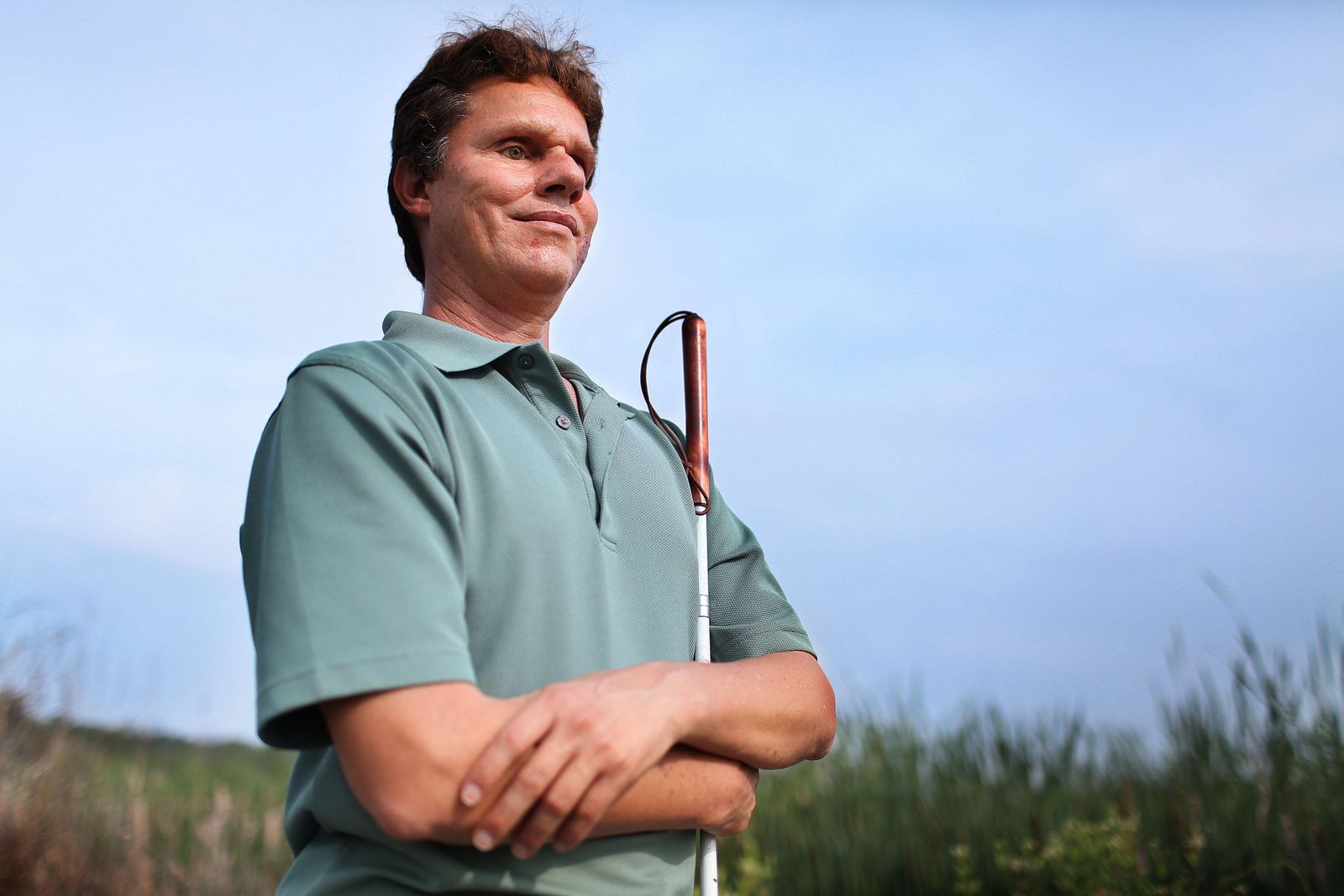
Kish lost both eyes to retinoblastoma as an infant. Today he’s a pioneer of human echolocation and the founder of World Access for the Blind, an organization that’s spent over two decades teaching blind people mobility and independence. His technique: click your tongue, and listen to what comes back. A wall doesn’t answer the same way a doorway does — shape, distance, and surface all change the echo. Kish describes it as asking a surface two questions: what are you, and where are you?
Filming What You Can’t See
Making a visual documentary about someone who navigates by sound is its own problem, and Wolin and Minahan solve it with a specialized microphone built to record the way human ears actually hear. Bikes creak. Wind moves. Clicks travel out and come back. Wolin, who has a visual-effects background, also built abstract animation around Kish’s own descriptions of what he perceives.
The result asks something unusual of a sighted audience: for seventeen minutes, stop looking so hard and listen instead.
Two Students, One Argument
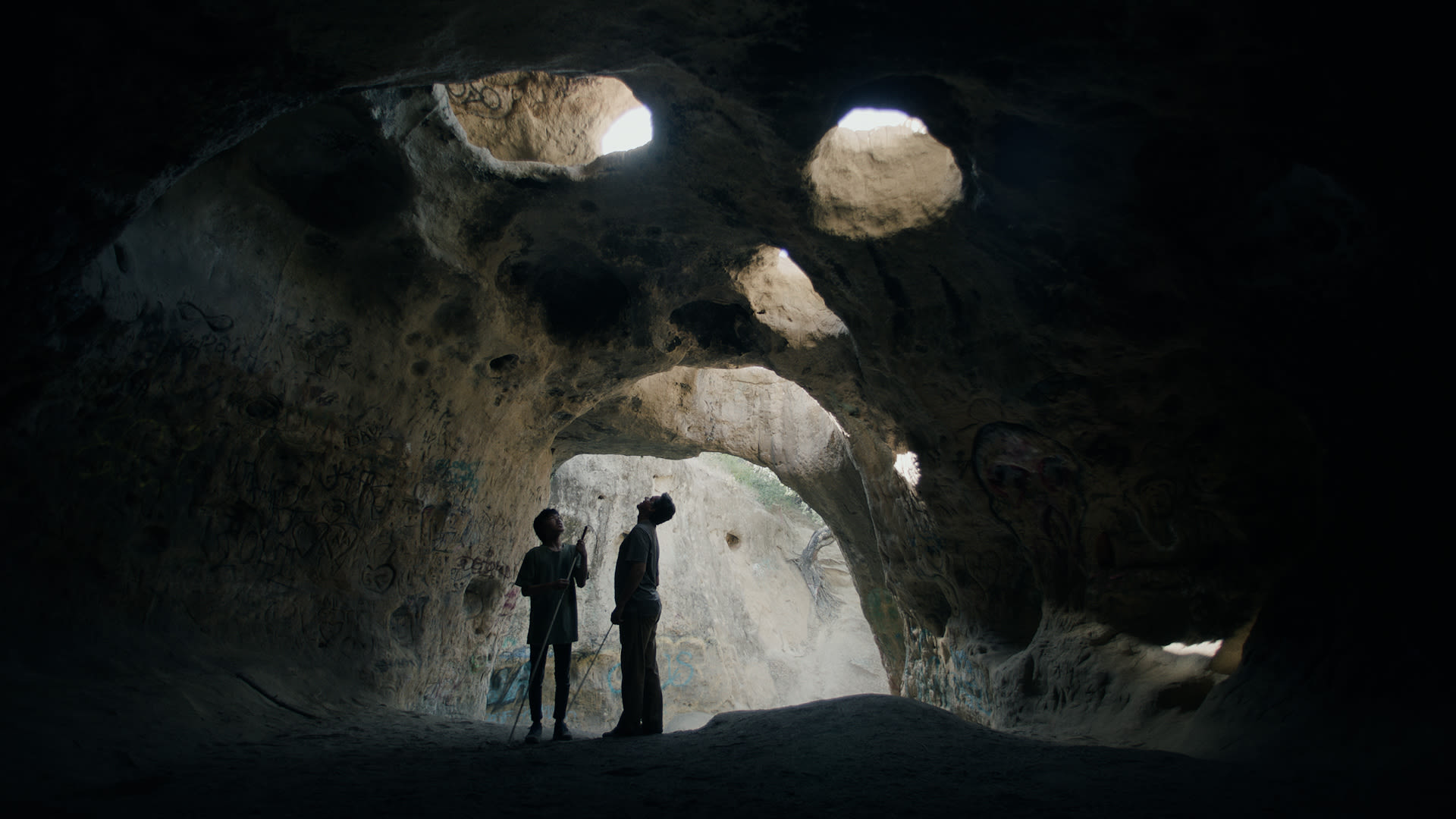
Echo spends most of its runtime with two of Kish’s students. Juan Ruiz, one of his earliest, has since spent more than a decade coaching other blind students himself. Nathan is young, blind, and really into skateboarding — and when Kish asks if people tell him he shouldn’t be doing it, Nathan’s answer, cleaned up slightly, is that they can say whatever they want; they’re not stopping him.
That’s the film’s actual argument. Not that every blind kid needs to skateboard or bike or explore a cave, just that they should get the chance to find out if they want to. Kish’s philosophy pushes hard against protecting blind children by limiting them, and argues instead for exploration, even when that means occasionally getting hurt.
A 2021 PLOS ONE study from Durham University found that blind and sighted adults could learn click-based echolocation in ten weeks of training, and every blind participant reported improved mobility afterward, with most also reporting better independence and wellbeing. Earlier brain-imaging work found expert echolocators process echoes in the same part of the brain sighted people use for vision.
Watch Echo
Echo won the Audience Award at the 2023 Aspen Shortsfest, and it’s easy to see why. It fits humor, science, friendship, and frustration into seventeen minutes without feeling rushed.

![Netflix’s Shipwrecked: Nightmare at Sea – The Costa Concordia Disaster [What Was That?!]](https://ashbydodd.com/wp-content/uploads/2026/07/Costa_Concordia-hero-370x300.png "Netflix’s Shipwrecked: Nightmare at Sea – The Costa Concordia Disaster [What Was That?!]")
![This Is Me: A Reckoning by Hayden Panettiere [Audiobook Review]](https://ashbydodd.com/wp-content/uploads/2026/09/this-is-me-hayden-panettiere-hero-370x300.png "This Is Me: A Reckoning by Hayden Panettiere [Audiobook Review]")