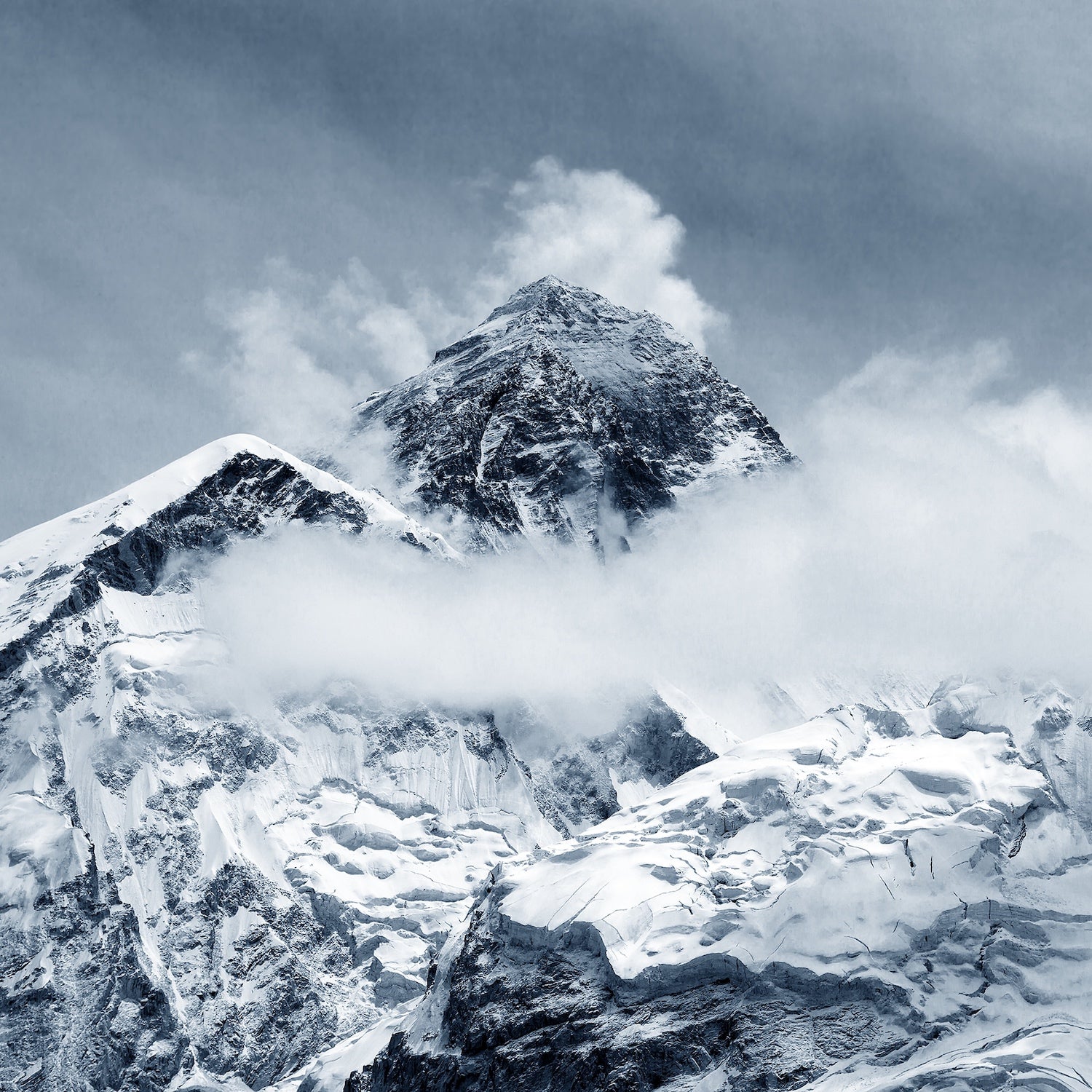
More climbers, more money, more danger. Everest’s accessibility problem isn’t about fitness—it’s about responsibility.
Everest has officially entered its “if you can afford it, you can probably do it” era.
And that brings us to the uncomfortable question: should we stop making it so easy for regular folks to climb Mt. Everest?
I think… yes. At least, we should stop pretending Everest is a normal consumer experience. Because right now, it’s not just “more accessible.” It’s more crowded, more commercial, and more dangerous—especially for the people doing the hardest, riskiest work.

“Easy” on Everest is a lie (and a liability)
The modern Everest machine consists of: luxury base camp setups, massive climbing seasons, inexperienced climbers, traffic jams in the death zone, helicopter rescues, and Sherpas carrying loads through the most dangerous terrain over and over again. When one stalled climber bottlenecks a route at extreme altitude, that’s not “adventure.” That’s a chain reaction.
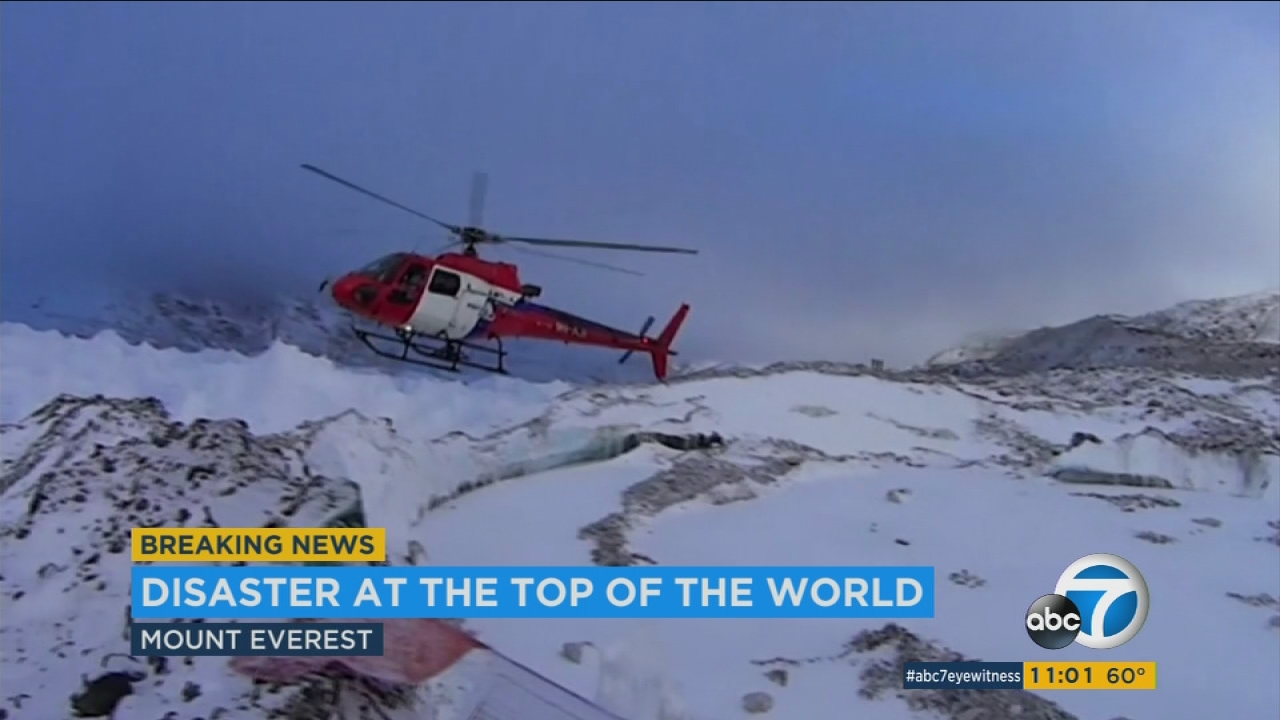
And when the inevitable disaster happens, helicopter pilots risk their lives, Sherpas must traverse the icefall, and climbers can be left for dead and never recovered. If we’re going to keep letting Everest function like a high-altitude amusement park for the wealthy, then we’re also quietly agreeing that someone else could pay the real price.
The part we can’t ignore
Everest tourism supports entire communities in Nepal—guides, porters, teahouses, drivers, pilots. So no, the answer isn’t “shut it down.” But the answer also can’t be “keep selling permits like concert tickets.”

What “harder” could look like (without being cruel)
If Everest is going to stay open to “regular folks,” then it needs guardrails. Real ones.
- Stricter experience requirements (prove you’ve summited other high peaks first—no skipping to the final boss).
- Permit caps that actually mean something during peak windows, so we’re not creating literal traffic jams above 26,000 feet.
- Better enforcement of guide-to-client ratios and minimum acclimatization standards (no shortcuts because someone’s on a tight PTO schedule).
- Higher financial responsibility requirements that fund Sherpa insurance, safety training, and recovery operations.
- Tech where it helps—like drones moving loads through the icefall to reduce risk (this is one of the few “modern Everest” details that made me feel hopeful).
So… should we stop making it easy?
Yes. Because “easy Everest” isn’t actually easy. It’s just outsourced difficulty—to Sherpas, to pilots, to the infrastructure, to the people whose names don’t end up in headlines. If you want Everest, fine. But the mountain shouldn’t be a place where money smooths out risk for you by stacking it onto someone else.