Frank Sinatra really hated The Godfather, and Johnny Fontane had a lot to do with it. But did Ol’ Blue Eyes actually try to make Paramount an offer they couldn’t refuse?
Frank Sinatra hated The Godfather. He hated Mario Puzo’s novel, and he hated Johnny Fontane, a washed-up singer in it who looked a lot like him.
Did he try to stop the movie? He tried to make trouble for it. Whether he did more than that is harder to prove.
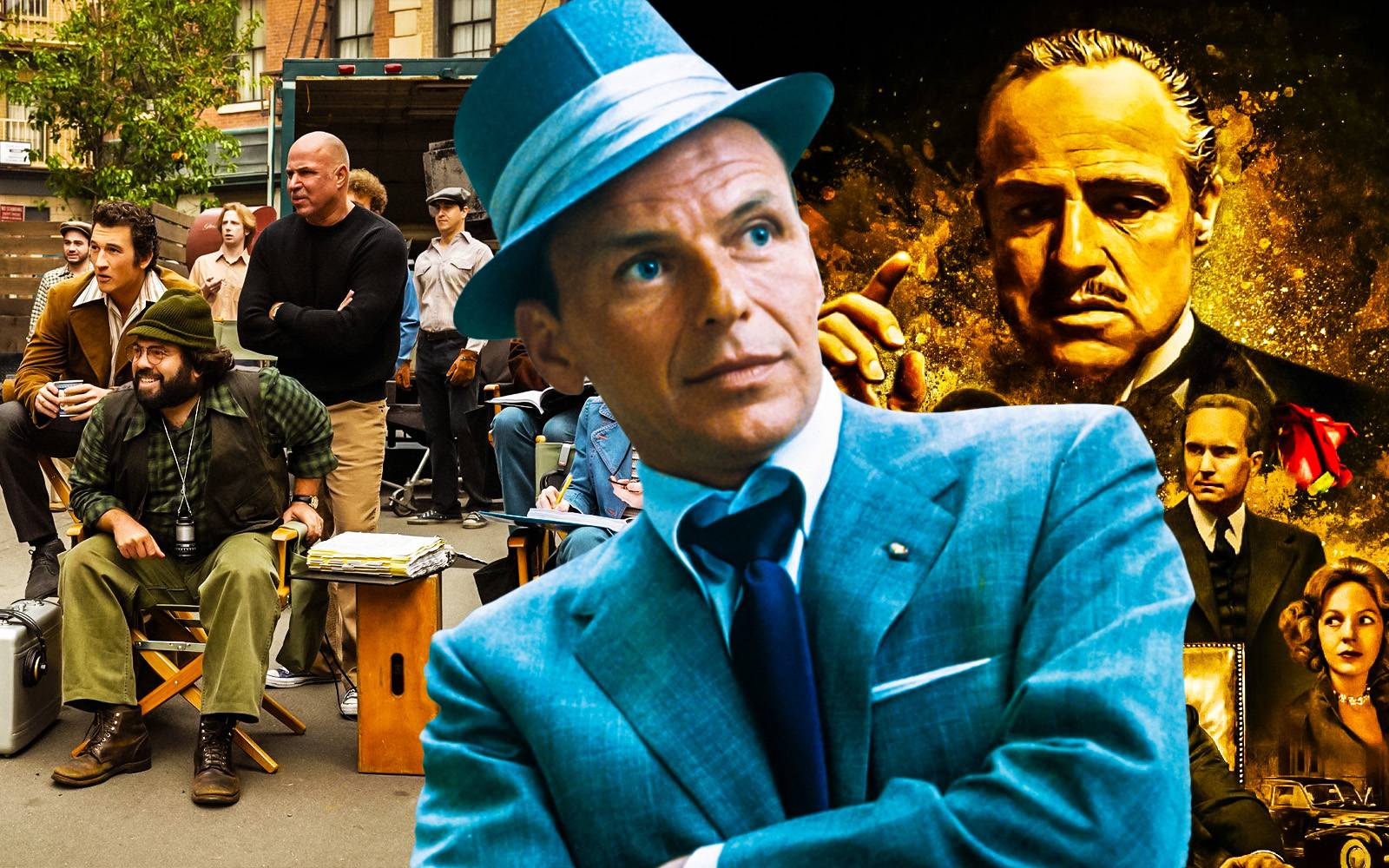
Johnny Fontane
Fontane is Vito Corleone’s godson, a singer whose career is fading. He needs a movie role to revive it. The studio head who won’t cast him wakes up with a horse’s head in his bed.
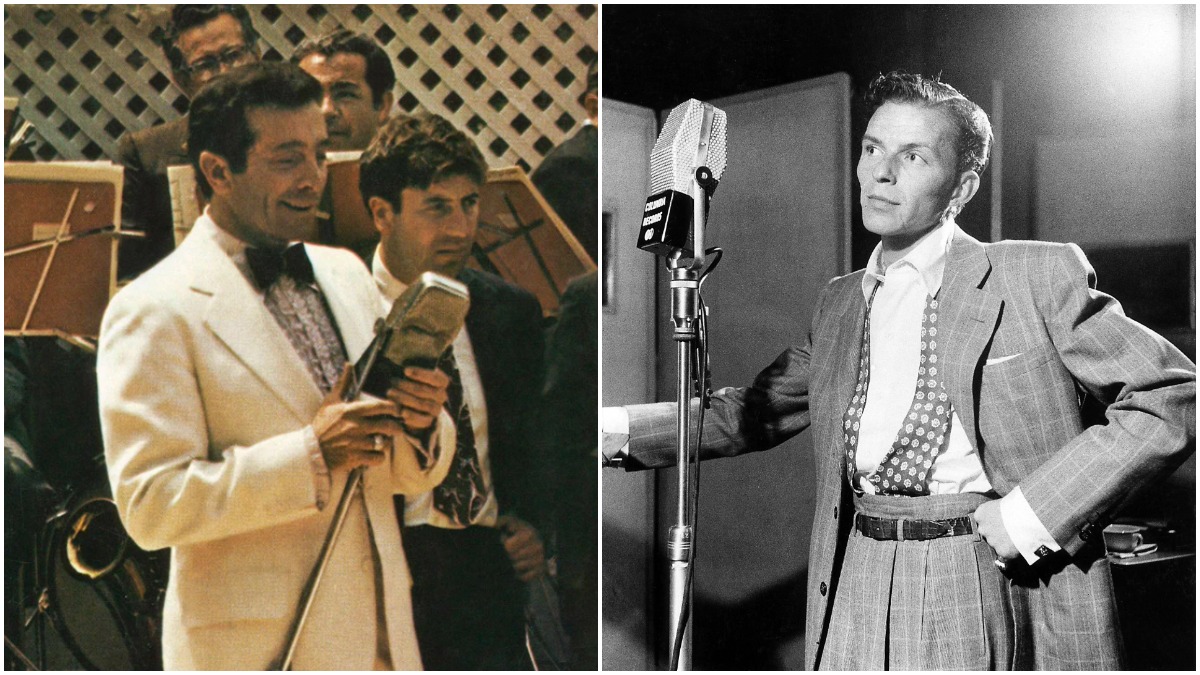
The parallels to Sinatra were not subtle. Sinatra left bandleader Tommy Dorsey, and legend says the mob helped him. His career then recovered when he landed Maggio in From Here to Eternity (1953), which won him the Oscar for Best Supporting Actor. Fontane has mob ties, escapes a bad band contract, and revives his career with a movie part.
In the film’s commentary, Coppola said, “Obviously Johnny Fontane was inspired by a kind of Frank Sinatra character.” Puzo always said Fontane was fictional. Sinatra reportedly didn’t buy it.
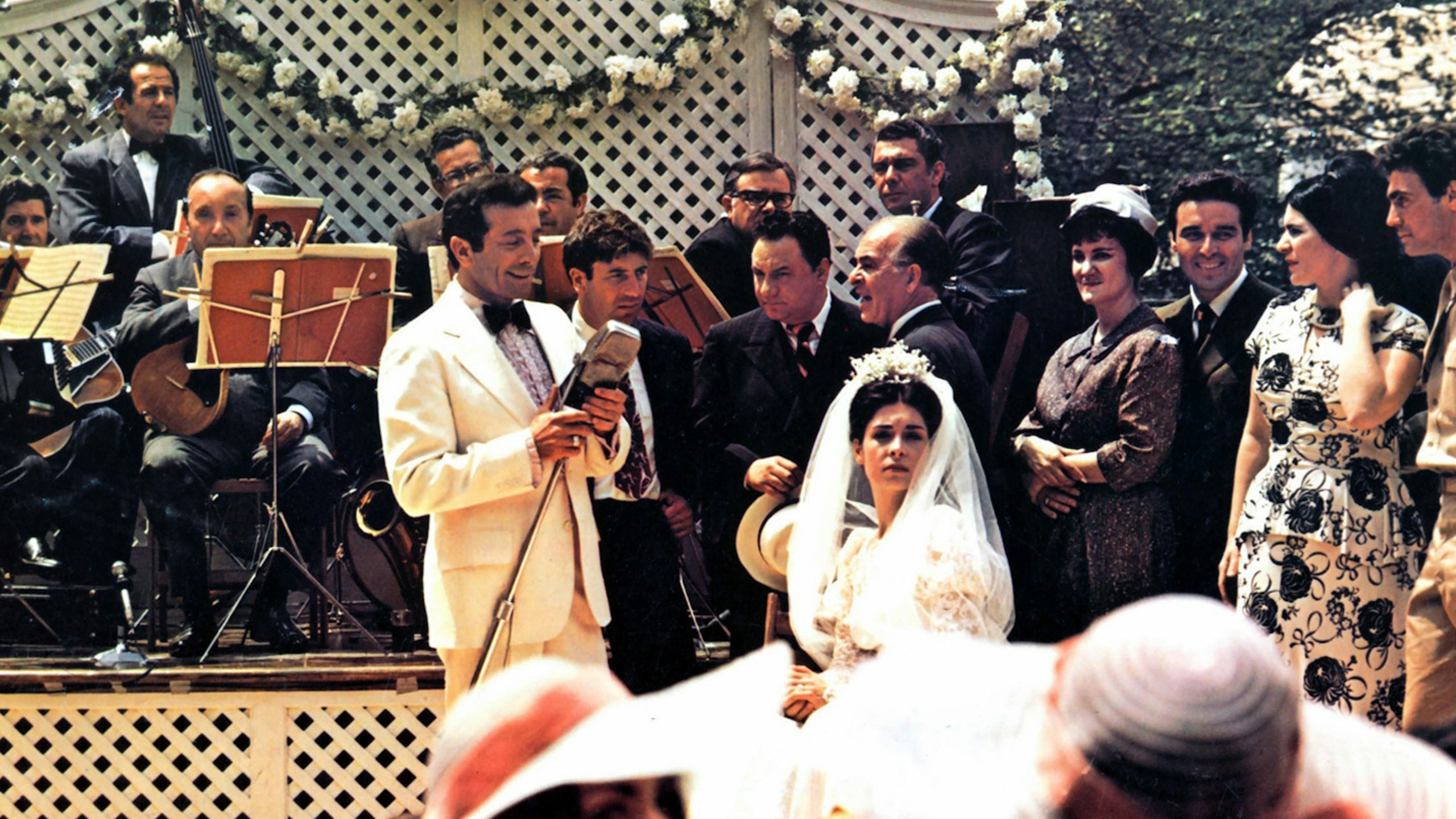
The Legends
The Dorsey story goes like this: Sinatra’s friend Willie Moretti stuck a gun in Dorsey’s mouth, and Dorsey sold the contract for a dollar. That’s legend, and the novel borrowed it.
The From Here to Eternity rumor is that the mob helped Sinatra get cast. No credible details have ever surfaced. Director Fred Zinnemann called the horse’s head “pure invention” by Puzo.
Once Puzo put pieces of that lore into Fontane, fact and rumor were hard to separate. That seems to be what bothered Sinatra.

What Sinatra Actually Did
Sinatra’s lawyers demanded to see the manuscript before publication. Puzo’s publisher said no. Paramount’s lawyers worried he would sue.
When Al Martino was cast as Fontane, they told him Sinatra would bar him from Las Vegas if he took the role. He took it anyway.
Then there was dinner at Chasen’s. Puzo was in Los Angeles working on the screenplay and was eating with producer Al Ruddy when Sinatra spotted him. A mutual friend tried to introduce them. Sinatra said, “I don’t want to meet him.” Puzo said, “Listen, it wasn’t my idea.” Sinatra shouted abuse and threatened to beat him up.
Puzo wrote later that what hurt was “here he was, a Northern Italian, threatening me, a Southern Italian, with physical violence.”

Sinatra Wasn’t the Only Problem
The bigger fight was with the Italian-American Civil Rights League, led by mob boss Joseph Colombo. It objected to the film linking Italian Americans to organized crime.
Bomb threats forced Gulf & Western, Paramount’s parent company, to evacuate its Manhattan offices twice. Police in Los Angeles warned Ruddy that someone was tailing his car. According to a 1972 TIME report, he swapped cars with his secretary, and the next morning his car, parked outside her house, was riddled with bullets.
Ruddy eventually made a deal with Colombo. The words “Mafia” and “Cosa Nostra” were cut from the script, and the League backed off.
Sinatra Wanted the Part
Coppola told USA Today in 2022 that he ran into Sinatra before filming. Sinatra “sort of jokingly” said, “Why don’t we buy this [movie] from Paramount and I’ll play the godfather.”
So he hated the story, wanted it stopped, and also thought he should star in it.
So Was Johnny Fontane Sinatra?
Not officially. But come on.
Regardless, we know how history played out. Sinatra couldn’t stop it. The Godfather came out in 1972, won Best Picture, and is still one of the most revered movies of all time.
Sources: TIME, TIME (1972), Yahoo, Mental Floss, Mental Floss, Den of Geek, /Film, Wikipedia